
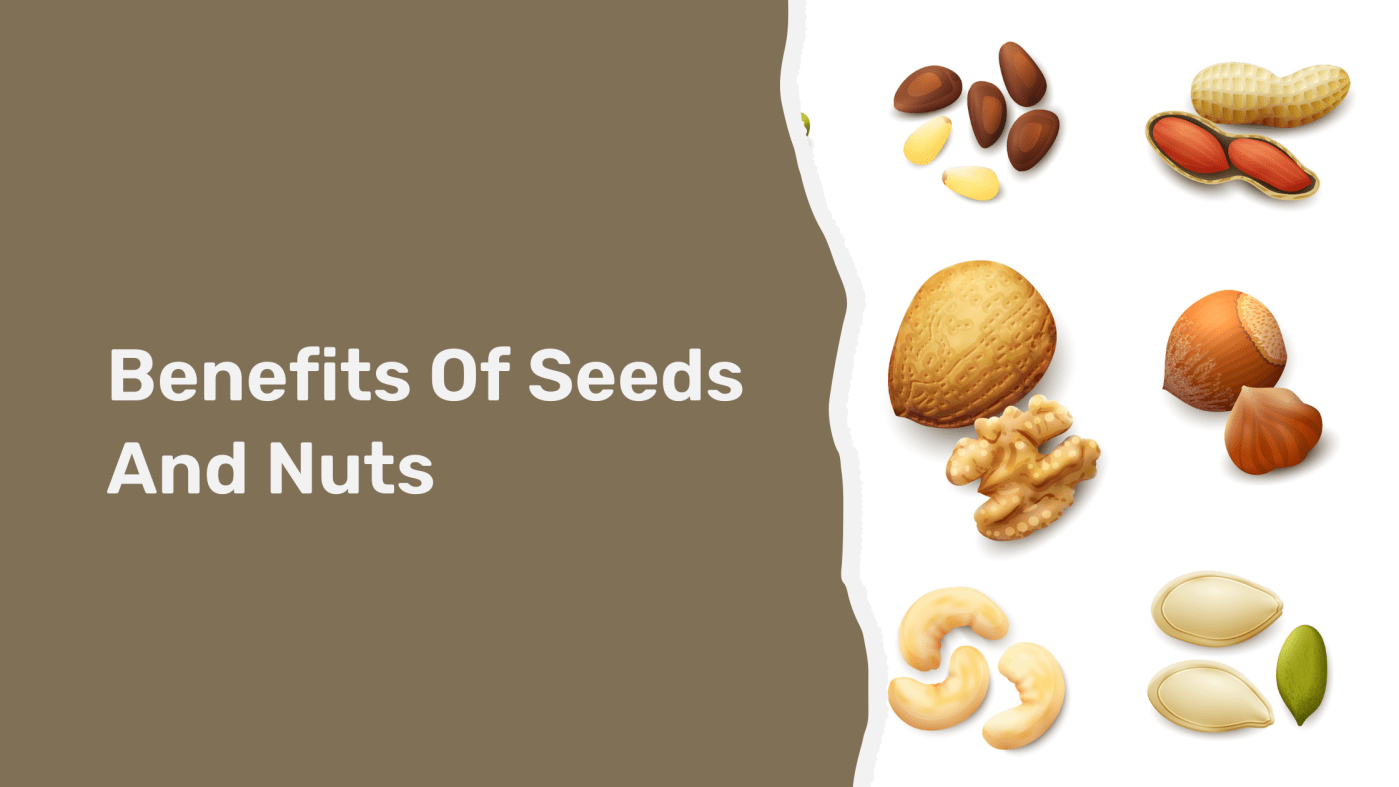
Different varieties of nuts possess minor variations in their mineral and vitamin amount, and eating different kinds of nuts will boost your intake of different nutrients. Strategies to incorporate the use of nuts and seeds a regular part of your daily diet include:
Instead of eating biscuits or cakes for a snack, grab some dry or raw-roasted nuts.
Combining seeds and nuts together with food items that are low in calories (such as vegetables). This is a great way to improve vegetable-based meals, for example, Asian-style dishes or as part of salads.
If you’re vegan, or vegetarian, seeds and nuts can be a great protein replacement for fish, meats, and eggs. They also contain fats as well as zinc, iron, and Niacin. You might need at least 30g seeds and nuts each day to provide enough protein.
Consume them in conjunction in conjunction with foods rich in vitamin C and mix them into drinks (such as tomatoes, capsicum orange, citrus, and tomato juices) to increase iron absorption.
There’s no need to soak or peel the nuts’ skin (or activate them) except if you like the texture and flavor of the soaked nuts. In reality, the shell of the nuts is abundant in phytochemicals, which have antioxidant as well as anti-inflammatory qualities.
A roasting process of the nuts ( either in the dry form or with oil) improves the taste of them however it has no effect on the fat content. This is due to the fact that nuts are extremely dense and do not absorb as much oil even if submerged. The majority of nuts absorb only the 2% of fats that are added.
Salted nuts aren’t recommended because of their high sodium content, particularly when you suffer from hypertension. Use salted nuts only for events and make uncooked and salted roast nuts your go-to choice for everyday consumption.
Nuts are a great source of protein.
The majority of nuts share similar macronutrient (protein carbohydrates, protein, as well as cholesterol) profiles, however different varieties of nuts might contain slight differences in micronutrient (vitamin and mineral) levels.
Nuts contain around 29, kJ in energy content per kilogram and are:
High content of ‘good fats’ Monounsaturated fats (most nuts) along with polyunsaturated fats (mainly walnuts).
Excellent sources of protein in the diet can be a great substitute for animal proteins.
Some nuts are also rich in the amino acid, arginine which helps to maintain the health of blood vessels.
Free of cholesterol from dietary sources
High content of dietary fiber.
The phytochemicals are rich in nutrients that work as antioxidants.
Vitamins and minerals are plentiful Vitamins include – B6, E, niacin folate, and B6) Minerals include zinc, magnesium, iron, and copper. Calcium selenium, copper potassium, and phosphorus.
Nuts are of various kinds
A nut is a basic dry fruit that consists of two or one edible kernel that are enclosed in a tough shell. Nuts can be described as:
- Almonds
- cashew nuts
- pistachios
- organic walnut kernels
Benefits of Seeds
Much like nuts, the majority of seeds are high in:
* protein, healthy fats, and fiber
* Minerals (such as potassium, magnesium, and calcium, as well as plant iron as well as zinc),
* Vitamin B1, B2 B2, along with vitamin E.
They also have antioxidants that prevent fats from becoming rancid too fast.
Because of the distinct nutrients of seeds and nuts, they have been proven to offer numerous health benefits, including:
* helps you maintain your weight
* reducing your diabetes risk.
Seeds with different types
The nutritional characteristics of seeds are identical to the profiles of nuts. The most common seeds are:
 Healthy Seeds for weight loss At Soultatva
Leave a comment